MYOB Exo to cloud: the right time is not when it is end of life. It is when workarounds become policy.
For many wholesale and distribution businesses, MYOB Exo has been reliable for a long time.
It still processes orders. It still runs payroll. It still closes the month.
That is why the decision to move to the cloud is rarely urgent. Until it quietly is.
The right time to move away from MYOB Exo is not when a deadline appears. It is when manual workarounds become accepted practice and no one questions them anymore.
The Workaround Threshold
Most businesses do not wake up one day and decide their system no longer fits. They cross what we call the Workaround Threshold.
This happens when small fixes slowly turn into standard operating procedure.
Three signs you have crossed it.
- People are the integration layer
Data is moved between systems using exports, emails, and spreadsheets. When someone is away, things slow down or break. - Reporting is always late, even when the data is correct
Management reports depend on manual reconciliation and checking. Decisions are made on last week’s numbers because real time is not realistic. - Knowledge lives in individuals, not the system
Only a few staff know how things really work. They are relied on to fix issues rather than prevent them.
These are not failures. They are signals.
The real risks behind MYOB Exo workarounds
Workarounds often feel harmless. Over time, they create risk that is harder to see.
Compliance risk
Payroll compliance pressure is one of the first cracks to appear. As rules change, manual steps increase. What was once manageable becomes fragile.
Reporting latency
In wholesale and distribution, margin is often thin. Delayed or incomplete reporting makes it harder to spot issues in pricing, inventory, and supplier costs.
Integration brittleness
MYOB Exo is often surrounded by bolt on systems for warehousing, freight, ecommerce, and reporting. Each manual link increases the chance of error.
Security posture
Older environments rely more heavily on on premises infrastructure and access controls that no longer match modern expectations. This creates exposure that is rarely tested until something goes wrong.
None of these risks appear overnight. They accumulate quietly.
Payroll pressure is a trigger, not the whole story
Payroll changes often force the conversation. They expose how much manual effort sits behind processes that used to feel stable.
But payroll is only one part of the picture.
Most wholesale and distribution businesses find the real strain shows up across inventory control, multi warehouse operations, and reconciliation between sales, logistics, and finance.
When these processes rely on people rather than systems, growth becomes harder to sustain.
A calmer way to approach migration
Moving away from MYOB Exo does not need to be rushed or disruptive.
The most successful transitions follow a simple sequence.
Stabilise the data
Clean master data, chart of accounts, and inventory structures before moving anything. This removes noise and reduces risk later.
Integrate the edges first
Modernise the systems around the core. This might include warehousing, ecommerce, payroll, or reporting tools. It builds confidence and delivers early wins.
Move the core when the business is ready
Once the surrounding processes are stable, migrating the ERP becomes a controlled step rather than a leap.
This approach avoids panic driven decisions and keeps the business running smoothly throughout the transition.
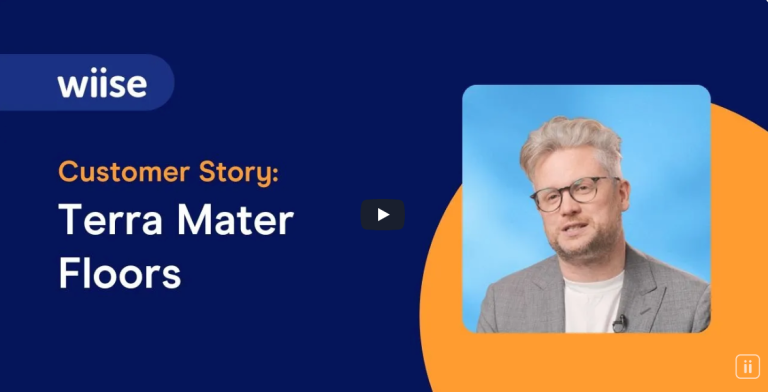
“Terra Mater is an example of how Wiise Business Central supports wholesale businesses by improving operational visibility and reducing reliance on manual processes as they scale.”
The question worth asking
MYOB Exo does not suddenly stop working.
What changes is how much effort it takes to keep everything moving.
If your best people are spending their time holding systems together, the cost is already there. It is just hidden.
The right time to move is not defined by a product lifecycle.
It is defined by how much manual effort your business now accepts as normal.